Copper vs Aluminium Scrap: How to Tell Them Apart
Copper and aluminium are two of the most common non-ferrous metals we buy, and they often turn up together — in wiring, piping, air-conditioning parts and old fixtures. Telling them apart before collection helps assessment, because each metal is graded and handled separately.
Colour is the first clue
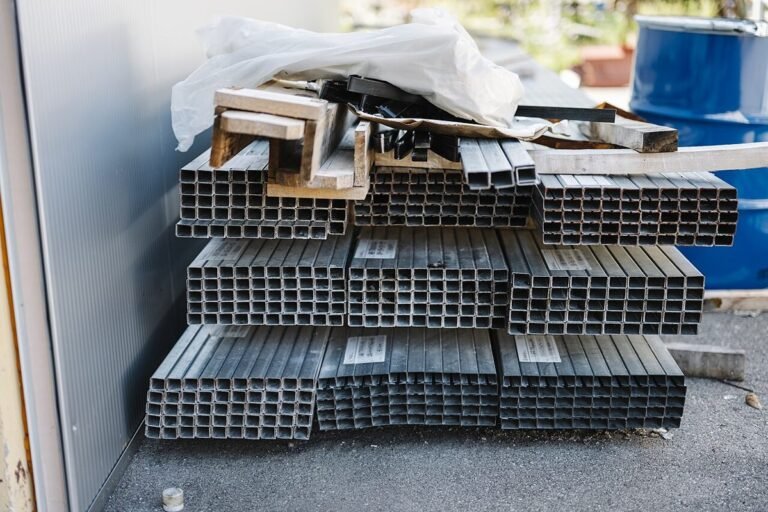
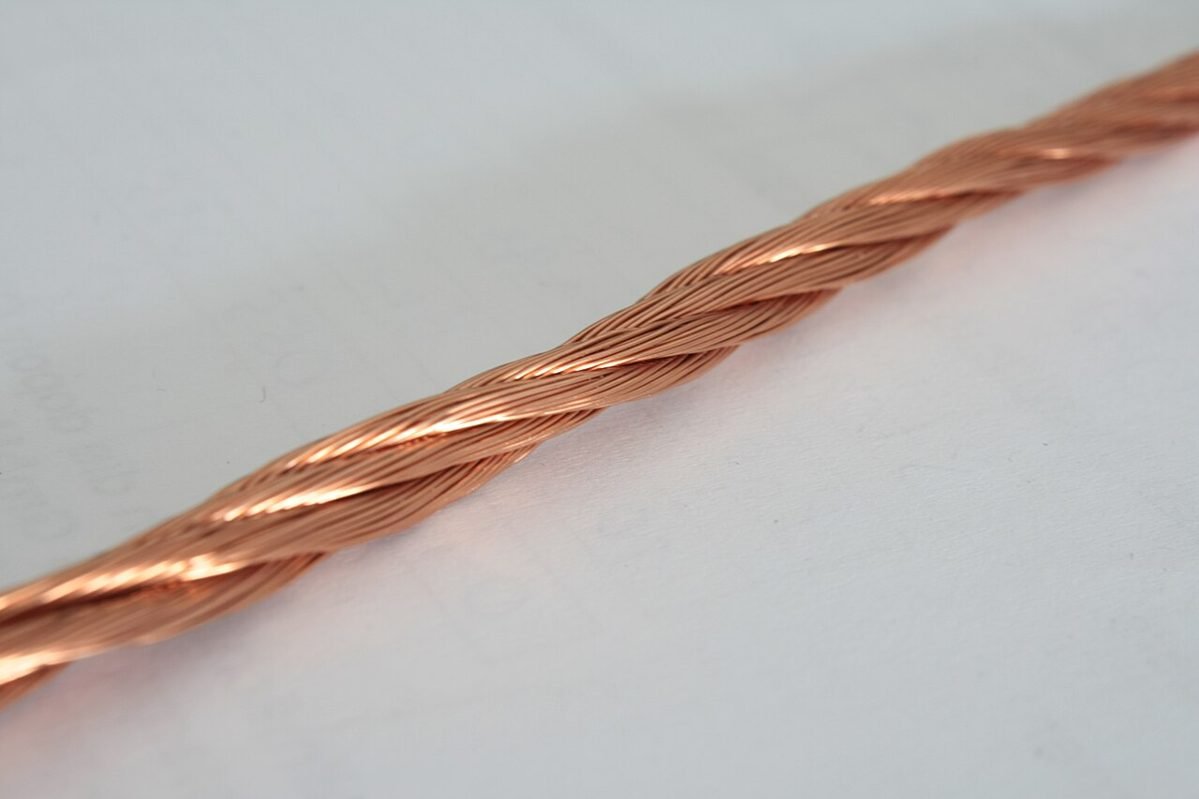
Clean copper has a distinctive reddish-brown colour, while aluminium is silvery-grey and duller. Copper pipe, copper wire and copper coils are usually easy to spot once the surface is clean. Aluminium shows up as window frames, profiles, sheets, cans and castings, and it often has a painted or anodised finish.
Weight tells you a lot
Pick up two similar-sized pieces and the difference is obvious: copper is heavy and dense, aluminium is light. A bundle of copper cable feels far heavier than the same volume of aluminium profiles. If a piece feels surprisingly light for its size, it is probably aluminium.
The magnet test
Neither copper nor aluminium is magnetic, so a magnet will not stick to either — but the test is still useful, because it rules out steel and iron, which are magnetic. If a magnet sticks, the item is ferrous metal, not copper or aluminium.
Where each metal usually comes from
Copper commonly comes from electrical cables and wires, plumbing pipe, coils and fittings. Aluminium commonly comes from window and door frames, sheets, cans, ladders and vehicle parts. Mixed loads are normal — you do not need to separate every gram, but keeping the two metals in different piles speeds things up.
What to do with mixed or unsure material
If you are not sure about an item, send us a photo on WhatsApp with your city and pickup area. We buy both metals across Dubai and Sharjah, along with the full range listed on our What We Buy page, and we will tell you how the material would be assessed.